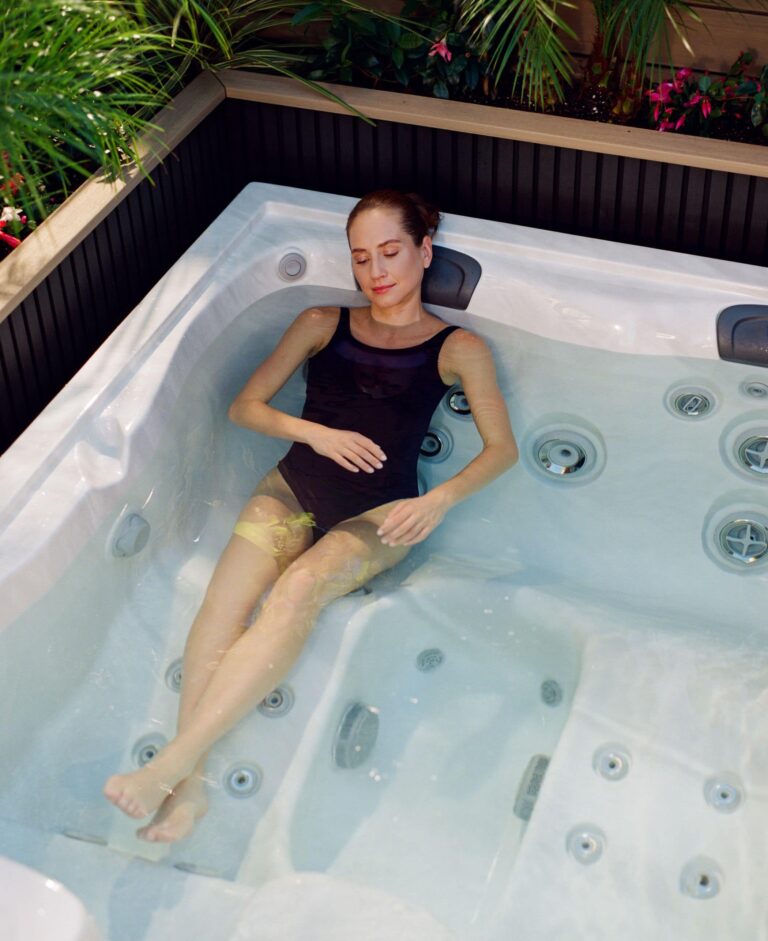
Last January, a Squamish family woke up to 50 cm of fresh snow. The kids were already pulling on snow pants. The plan was simple: a morning on the hill, then a long soak before dinner. By late afternoon, the cover was buried, the steps were sheets of ice and the control panel was flashing a message nobody recognized.
That’s winter hot tub ownership in the Sea to Sky. Our winters are long, wet and heavy. Snow piles up fast, and temperatures swing above and below freezing in the same day. Skip a few simple habits and small problems grow. A sagging cover lets heat escape. A clogged filter strains the pump. A frozen line can keep your tub offline for weeks, right when you want it most.
The good news is that hot tub winter care isn’t complicated. A few routines, done at the right time, keep your water clear, your equipment safe and your soaks on schedule all season. This guide walks through each one, from snow on the cover to what to do when the power goes out.

Why Sea to Sky Winters Test Every Hot Tub
Whistler and Squamish don’t get the dry, powdery cold you find further inland. We get coastal mountain winters. Snow falls heavy and wet, temperatures hover around zero for weeks, and storms roll through one after another from November to March.
That mix is hard on anything that lives outdoors, and your hot tub is no exception. It’s built for cold weather, but it relies on two things to stay healthy: moving water and trapped heat.
When either one breaks down, trouble follows. Most of the winter service calls we see come back to the same two causes.
Freeze Risk in Lines and Equipment
A hot tub holds hundreds of litres of warm water, so the shell itself rarely freezes. The weak points are the plumbing lines, pumps and heater in the equipment bay. If water stops circulating long enough on a cold night, those spots can freeze, crack and leak.
Heavy, Wet Coastal Snow
Coastal snow is dense. A deep dump that sits on your cover for days adds real weight. Over time, that load can bend the foam core, stretch the vinyl and break the seal that holds heat in. Once the seal goes, your heater works harder and your water cools faster.
Keep It Running: Why Most Owners Skip Winterizing
In colder parts of Canada, some owners drain and close their hot tubs for the winter. In the Sea to Sky, most do the opposite. Winter is prime soaking season here. After a day on Whistler Blackcomb or a cold hike above Squamish, a hot tub earns its place in your backyard.
A running hot tub is also the safest hot tub in winter. Warm, moving water is far less likely to freeze than water sitting still in a half-drained system.
There are two sides to this decision, so it helps to know how your tub protects itself and when draining is the better choice.
How Freeze Protection Works
Most modern hot tubs have a built-in freeze protection mode. When the system senses the water temperature dropping too low, it starts the pumps and heater to keep water moving. Leave your tub powered and filled, and this feature does much of the work for you. Check your owner’s manual or our owner resources to see how yours works.
When Draining Makes Sense
There are exceptions. If you own a ski cabin that sits empty for long stretches, or you’ll be away for weeks with nobody checking in, a proper winterization may be the safer call.
Draining a hot tub for winter takes more than pulling a plug. Water left in the lines can still freeze and crack them. If you’re unsure, our team can handle it through our seasonal services.
Setting the Right Water Temperature for Cold Months
It’s tempting to turn the temperature way down in winter. In most cases, a small drop is fine and a big one isn’t. Cool water takes a long time to reheat on a cold day, and your heater works hardest when the air is coldest.
A steady approach works best for most homes. Keep your water close to your favourite soaking temperature and let the tub hold it there. Many owners stay between 37°C and 39°C through the season. If you’re heading away for a weekend, a drop of a few degrees is plenty.
Plan ahead for busy evenings too. Several people climbing in and out on a snowy night lets heat escape quickly. Give the tub time to recover before the next soak, and keep the cover on between sessions.
It’s also worth checking your control panel for economy or sleep settings. These let the heater rest during hours you rarely soak, such as the middle of the night. Used well, they help keep power use in check without leaving you with cool water after dinner.
Cover Care Under Heavy Snow
Your cover is the most important winter accessory you own. It holds heat in, keeps debris out and stops snowmelt from diluting your water. In the Sea to Sky, it also carries a lot of weight.
A few habits will keep your cover in good shape for many winters. They start with how you deal with snow.
Clearing Snow Without Damage
Clear snow after every big storm. Use a soft broom or a plastic snow brush, never a metal shovel or ice scraper. Sweep from the centre toward the edges so meltwater runs off instead of pooling in the fold. If ice forms, let the sun loosen it rather than chipping at the vinyl.
Straps, Locks and Cover Lifters
Keep your cover straps clipped, even in winter. Wind gusts in the corridor can lift a cover and drop snow straight into the water. A cover lifter helps too. It takes the strain off your back and keeps the cover out of the snowbank while it’s open. You’ll find options in our hot tub accessories.
If your cover feels heavier than usual or sags in the middle, the foam may be waterlogged. That’s your sign to replace it before heat loss gets worse.
Water Care Adjustments for Winter
Water care shifts a little in winter, mostly because your habits shift. Some households soak every night during ski season. Others use the tub less once it’s dark by 4:30. Both patterns change what your water needs.
Here’s a simple routine for the season:
- Test two or three times a week, even when you’re not soaking much.
- Adjust your sanitizer after busy weekends with guests or family.
- Rinse the filter every week or two and deep clean it about once a month.
- Keep a spare filter on hand so you can swap it in while the other one dries.
Snowmelt is another factor. If snow slides off the cover and into the tub, it adds water that can throw off your balance. Test your water any time this happens.
If you’d rather leave testing to the pros, our water care service plans keep your water balanced on a regular schedule. For a full shopping list, see our guide to the top hot tub supplies every owner should own.
Safe Paths, Steps and Surrounds
Winter hot tub safety starts before you get in. The walk from your door to the tub is often the riskiest part of the soak, especially at night.
Clear a path after each snowfall and keep it sanded or salted. Non-slip steps make a big difference when wet feet meet a frozen surface. Good lighting along the path and around the tub helps everyone see where they’re stepping.
Think about the trip back inside as well. Keep robes, towels and sandals in a dry storage box or on a covered hook near the tub. A short, warm walk back makes winter soaks far more enjoyable. It also keeps kids from sprinting barefoot across the ice.
For layout ideas that make winter access easier, browse our backyard hot tub design ideas for Whistler & Squamish.
Power Outages and Freeze Warnings
Winter storms in the corridor can knock out power, sometimes for hours. A full hot tub holds heat for a while, but a long outage on a cold night needs your attention.
Knowing the warning signs and having a short plan can save you from costly damage. Start by watching for trouble during cold snaps.
Early Signs Something Is Wrong
Keep an eye out for:
- Error codes on the control panel
- Water that’s colder than your set temperature and not recovering
- Jets that won’t start or sound different than usual
- Ice forming around the cabinet base or equipment door
What to Do Until Power Returns
Keep the cover on and strapped tight to hold heat in. Open it as little as possible. Once power is back, confirm the tub restarts and begins heating.
If the outage was long and temperatures stayed well below freezing, call a technician before running the tub hard. Our hot tub repair team can check for frozen or damaged parts.
Insulation and Features That Hold Heat
Some hot tubs are better suited to mountain winters than others. Insulation and cover fit do most of the work.
Bullfrog® Spas use full-foam insulation, which fills the cabinet to help hold heat in. A well-fitted cover adds to that by sealing the top, where most heat escapes.
Even a well-insulated tub loses heat through a worn cover or a gap at the cabinet base. Check the cover seal at the start of each season. Look for spots where snow melts faster than the rest. Those warm patches often point to escaping heat.
Shopping for a new hot tub? Ask our team about insulation and cover options for your home’s exposure. A tub on an open, windy deck has different needs from one tucked under a covered patio.

When to Call Poolside’s Service Team
Plenty of winter care is easy to handle on your own. Some problems are best left to a technician, especially when cold weather is involved.
Call us if you see error codes you can’t clear, a heater that can’t keep up, leaks around the cabinet or equipment that won’t restart after an outage. Our technicians in Whistler and Squamish service hot tubs, swim spas and pools, and we know how local winters affect equipment.
Seasonal visits help too. A checkup before ski season can catch worn parts, tired covers and filter issues before they become mid-winter breakdowns. Learn more about our seasonal services or request service online.
Frequently Asked Questions
Can I use my hot tub while it’s snowing?
Yes. Soaking during a snowfall is one of the best parts of owning a hot tub in the Sea to Sky. Keep a clear path, wear sandals to and from the tub, and put the cover back on as soon as you’re done.
What temperature should I keep my hot tub at in winter?
Most owners keep their water near their usual soaking temperature, often between 37°C and 39°C. Large drops force the heater to work harder to recover on cold days. A drop of a few degrees is fine if you’re away for a weekend.
Should I drain my hot tub for winter in Whistler?
Most Whistler and Squamish owners keep their tubs running all winter. Draining makes sense mainly for properties that sit empty. If you do drain, have the system properly winterized so no water stays in the lines.
How do I stop my hot tub cover from sagging under snow?
Clear snow after every storm with a soft broom, keep the straps clipped and use a cover lifter. If your cover still sags or feels heavy, the foam may be waterlogged and ready for replacement.
Enjoy Every Soak This Winter
Winter is when your hot tub really pays you back. A little care each week means warm, clear water waiting after every ski day, storm and long night.
We’re here to help with the rest. Stop by our showrooms in Whistler or Squamish to stock up on supplies, ask about covers and lifters, or set up a water care service plan. Call us at (604) 932-4616 or contact our team to book a winter checkup.